← Blog
Passing Wisdom: Intergenerational Knowledge Transfer in Nunavik
2026-03-25
News
by @Admin
Introduction Nestled in the northern reaches of Quebec, Nunavik is a vast territory that encompasses not only breathtaking landscapes but also a rich tapestry of Inuit culture and knowledge. The community of Puvirnituq stands out…
Introduction
Nestled in the northern reaches of Quebec, Nunavik is a vast territory that encompasses not only breathtaking landscapes but also a rich tapestry of Inuit culture and knowledge. The community of Puvirnituq stands out as a vibrant hub where the past and present coalesce, and it is here that the transmission of knowledge between generations plays a vital role in preserving the Inuit way of life. This blog post will explore the unique methods and significance of passing down wisdom in Puvirnituq, emphasizing the importance of cultural continuity without veering into the realm of stereotypical portrayals.
The Significance of Oral Tradition
Inuit culture has a deep-rooted reliance on oral tradition. Stories, songs, and teachings are passed down orally from elders to younger generations, providing not only entertainment but also crucial life lessons. In Puvirnituq, elders are revered figures, seen as custodians of knowledge that spans centuries. Their stories often contain moral lessons, survival skills, and insights into the natural world, which are invaluable for younger community members.
These narratives are more than mere tales; they encapsulate a worldview that emphasizes respect for nature and social responsibility. Through storytelling, children learn about the land, its resources, and how to navigate its challenges. This form of education fosters a profound connection to the environment and a sense of identity that is essential in a rapidly changing world.
Practical Skills and Knowledge Transfer
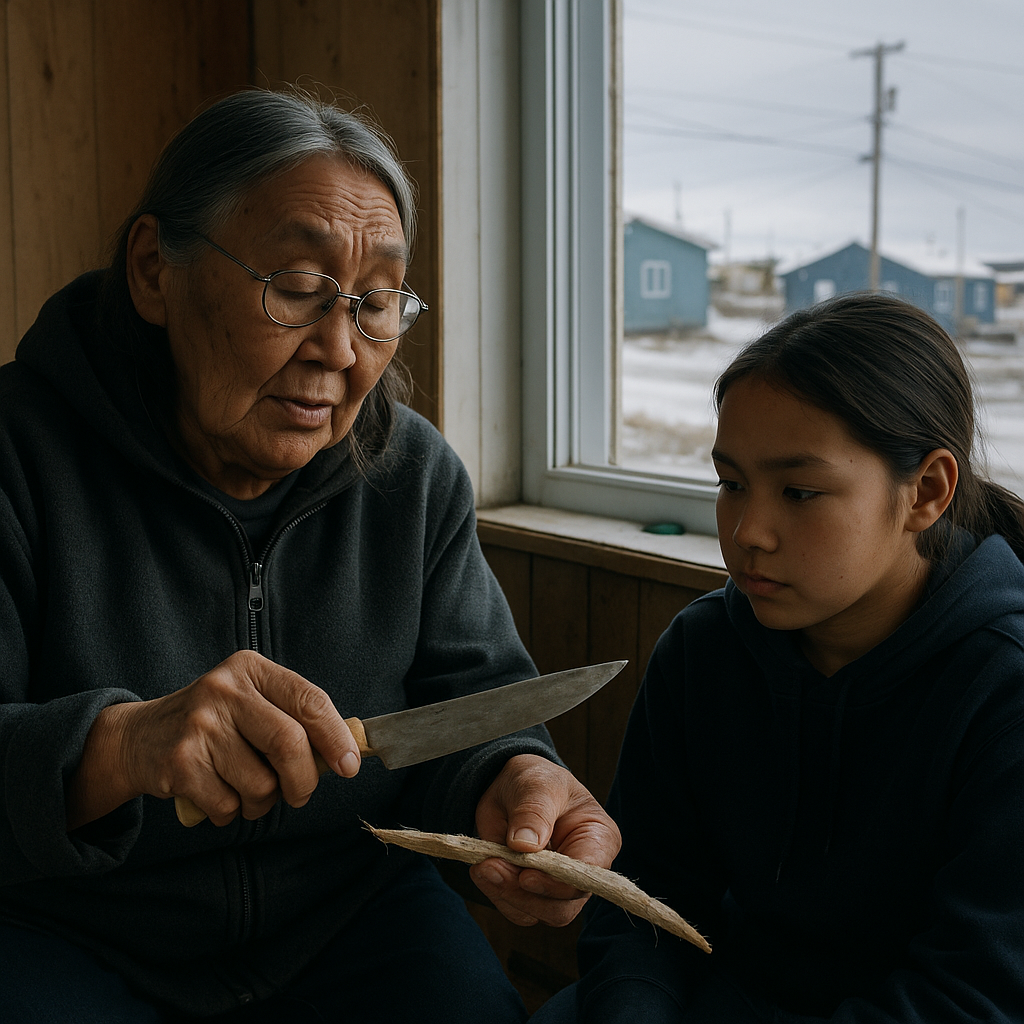
Alongside stories, practical skills are a fundamental aspect of knowledge transfer in Puvirnituq. Traditional practices such as hunting, fishing, and crafting are taught through hands-on experience. Elders often take youths under their wing, guiding them through the intricacies of these activities. This mentorship not only imparts skills but also strengthens relationships within families and the broader community.
For example, when a young person learns to hunt seal or fish, they are not just acquiring a skill; they are engaging in a ritual that bonds them with their ancestors. The process often involves lessons on respect for the animals being hunted and the importance of sustainable practices. Such teachings are crucial in instilling a sense of responsibility towards the land and its resources.
The Role of Community Gatherings
Community gatherings play a pivotal role in the transmission of knowledge. Events such as festivals, seasonal celebrations, and communal feasts provide platforms for sharing experiences and wisdom. These gatherings encourage intergenerational dialogue, allowing elders to pass on their knowledge to the youth in a lively and engaging environment.
In Puvirnituq, these gatherings often include traditional music and dance, fostering a sense of belonging and cultural pride. They serve as reminders of the community’s shared history and values, reinforcing the bonds that tie individuals to their heritage. Such events are not just social occasions; they are essential for maintaining the cultural fabric of the community.
Modern Influences and Challenges
While the oral tradition and practical skills remain vital, modern influences are reshaping the landscape of knowledge transmission in Puvirnituq. The advent of technology and social media has introduced new ways for youth to engage with their culture, but it has also posed challenges.
Many young people are drawn to the digital world, which can sometimes distance them from traditional practices. The challenge lies in finding a balance between embracing modernity and preserving cultural heritage. Community leaders and elders are aware of these dynamics and are actively seeking ways to integrate technology into cultural education. For instance, creating digital platforms where stories can be shared and traditional skills can be taught online represents a bridge between the old and the new.
Resilience and Adaptation
Despite the challenges posed by modernity, the community of Puvirnituq showcases remarkable resilience. Elders and community members are committed to ensuring that their knowledge and traditions endure. Collaborative efforts between generations, such as workshops and cultural camps, are being organized to foster a deeper understanding and appreciation for Inuit culture among the youth.
Moreover, there is a growing recognition of the need to document and archive traditional knowledge. Initiatives aimed at recording stories, traditional ecological knowledge, and language are gaining momentum. This not only preserves the past but also empowers future generations to take pride in their identity and heritage.
Conclusion
The transmission of knowledge between generations in Puvirnituq is a vibrant and dynamic process that reflects the strength of the Inuit culture. Through oral tradition, practical skills, community gatherings, and modern adaptations, the elders of this community play a crucial role in guiding the youth. As they navigate the complexities of the modern world, the wisdom imparted by their ancestors will remain a cornerstone of their identity, ensuring that the rich heritage of the Inuit continues to thrive in the heart of Nunavik. The journey of passing wisdom is not merely a duty; it is an affirmation of life, connection, and continuity.